728x90
반응형
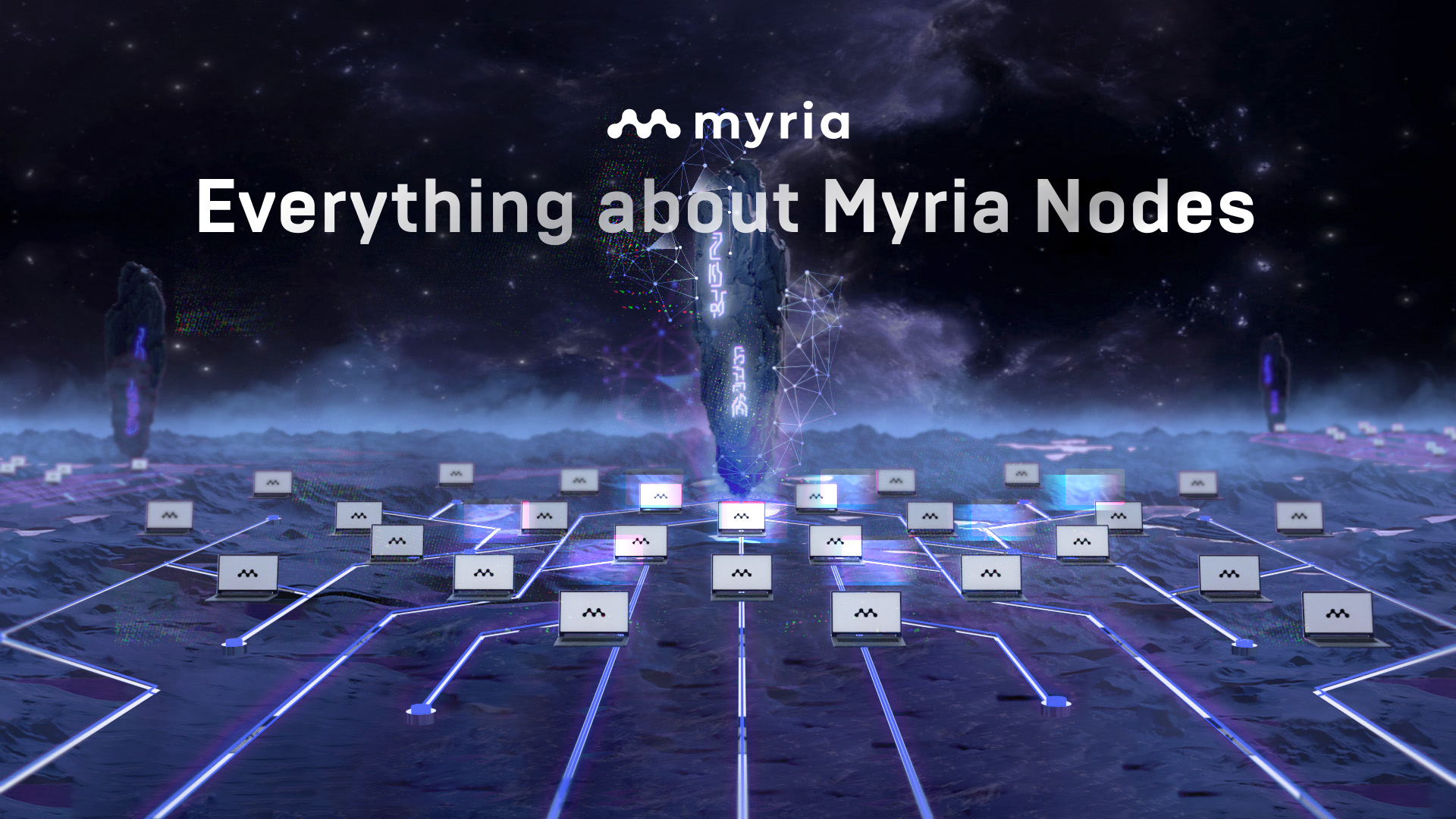
In the realm of big data processing, Myria nodes have emerged as a groundbreaking solution that is transforming the way we handle vast amounts of information. With their impressive computational capabilities and distributed architecture, Myria nodes offer unprecedented efficiency and scalability, making them an exciting topic in the world of data analytics. In this blog post, we will delve into the fascinating world of Myria nodes, exploring their features, benefits, and the impact they have on big data processing.
1. Understanding Myria Nodes:
Myria nodes are specialized computing units designed for distributed data processing. They are part of the Myria system, an open-source platform developed to address the challenges of big data analytics. These nodes work in tandem to perform complex computations on large datasets, enabling researchers, scientists, and businesses to extract valuable insights quickly and efficiently.
2. Distributed Architecture:
One of the key strengths of Myria nodes lies in their distributed architecture. Instead of relying on a single server, the workload is distributed across multiple nodes, allowing for parallel processing. This parallelism significantly reduces processing time and enables efficient utilization of available computational resources.
3. Scalability:
Scalability is a critical aspect of any big data system, and Myria nodes excel in this regard. As data volumes continue to grow exponentially, the ability to scale the processing power becomes crucial. Myria nodes can seamlessly scale by adding more nodes to the system, ensuring that computational capacity matches the demands of the data processing workload.
4. Advanced Querying and Analytics:
Myria nodes support a rich set of querying and analytics capabilities, empowering users to extract meaningful insights from their data. The platform provides a high-level query language that allows users to express complex data manipulation tasks efficiently. Additionally, Myria nodes integrate seamlessly with popular data analytics tools and frameworks, further expanding their functionality.
5. Fault Tolerance and Reliability:
In distributed computing environments, ensuring fault tolerance and reliability is of utmost importance. Myria nodes are designed with fault tolerance mechanisms, allowing the system to continue operating even if individual nodes fail. This robustness minimizes the risk of data loss and ensures uninterrupted data processing.
6. Real-World Applications:
The applications of Myria nodes span various domains. They have been successfully utilized in scientific research, where large-scale data analysis is essential, such as genomics, climate modeling, and social network analysis. Additionally, businesses are leveraging Myria nodes for tasks like real-time data analytics, fraud detection, and personalized marketing campaigns.
7. Future Prospects:
As big data continues to proliferate, the demand for efficient data processing solutions will only increase. Myria nodes are at the forefront of this technological revolution, and their potential for innovation is immense. With ongoing advancements and research in distributed systems, we can expect Myria nodes to become even more powerful and versatile, opening up new possibilities in the field of big data analytics.
Conclusion:
Myria nodes represent a significant step forward in the realm of big data processing. Their distributed architecture, scalability, and advanced analytics capabilities make them an invaluable tool for handling large-scale datasets. As organizations strive to gain insights and make data-driven decisions, Myria nodes offer a solution that empowers them to unlock the true potential of their data. With a promising future ahead, it is evident that Myria nodes will continue to shape the landscape of big data analytics for years to come.
반응형
'Passive Income' 카테고리의 다른 글
| How to Purchase Nebula Node: A Step-by-Step Guide (0) | 2023.06.15 |
|---|---|
| Could Delysium Node Become the Next Gala Node? (0) | 2023.06.15 |
| Easy-to-Follow Guide: Setting Up Flux Light Nodes (0) | 2023.06.14 |
| The Comprehensive Guide to Running a Sui Full Node for Enhanced Blockchain Performance (0) | 2023.06.14 |
| Myria Node: 혁신적인 블록체인 네트워크의 소개와 최신 근황 (0) | 2023.06.11 |


